
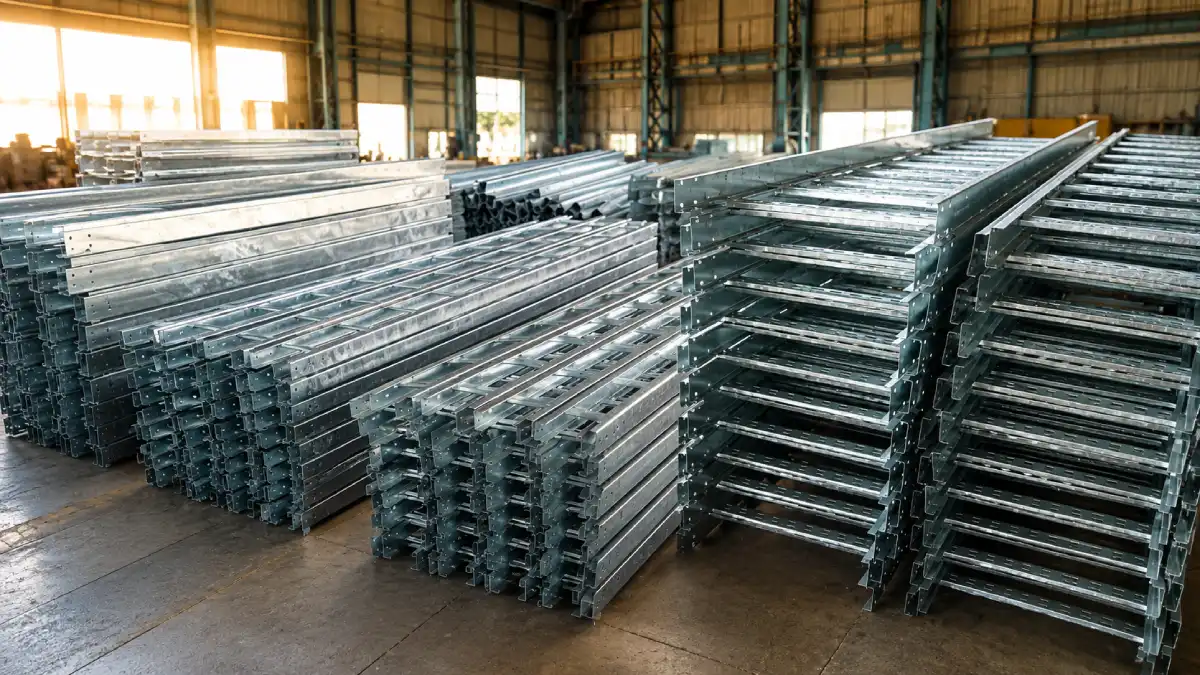
The cable tray system is essential in organising, securing, and protecting the cables in an industrial setting. It gives the cable a path to follow when carrying out installations. Nevertheless, a good cable tray system cannot function well if it is improperly installed, since improper installation of a cable tray system will cause damage to the cables and other inconveniences.
Knowing the common mistakes made during cable tray installation and taking the necessary precautions will help industries have a better and more efficient cable management system.
Why Proper Cable Tray Installation Matters?
Proper installation ensures that cable trays have sufficient strength to carry the load of cables and provide enough protection for their entire life. Properly installed cable trays make inspection of cables, installation of additional cables, and maintenance easier.
Some key advantages of proper installation of cable trays are:
a. Effective cable support
b. Better cable organisation
c. Easy inspection and maintenance
d. Decreased likelihood of cable damage
e. Improved ventilation
f. Safer workplace
g. Increased life of cable management system
Common Cable Tray Installation Mistakes
1. Selection of an Inappropriate Cable Tray Size
The selection of the wrong cable tray size is one of the most frequent errors. The inappropriate choice of the cable tray results in the overcrowding of the tray and complications in the cable installation process.
How to avoid it: Before the installation process, count the number, size, and weight of the cables that need to be installed into the tray. Select the cable tray large enough to accommodate the existing requirements and leave room for future enlargement.
2. Overloading the Cable Tray
There is a certain load-carrying capacity for each cable tray. Putting too many cables in the tray that exceeds its carrying capacity may stress the system adversely and have an impact on performance.
How to prevent it: It is always advisable to calculate the expected load of the cables to be installed and choose a suitable cable tray with the right load-carrying capacity.
3. Incorrect Support Spacing
A cable tray requires proper support at proper intervals to preserve its structural integrity. When supports are installed improperly and too far apart from each other, the tray will bend and sag under the load of the cables.
How to prevent it: Ensure that proper support spacing is used according to the chosen cable tray and load of cables on the tray.
4. Selecting the Wrong Cable Tray Type
A cable tray requires proper support at proper intervals to preserve its structural integrity. When supports are installed improperly and too far apart from each other, the tray will bend and sag under the load of the cables.
How to prevent it: Ensure that proper support spacing is used according to the chosen cable tray and load of cables on the tray.
5. Ignoring Ventilation Requirements
Cables are known to produce heat due to their usage, especially when multiple cables are used at once. Inadequate ventilation can cause the heat to build up.
How to prevent it: Choose a cable tray that allows for proper ventilation for the cabling system. Ladder-type cable trays have an open structure that allows for proper ventilation.
6. Ignoring the Installation Environment
The cable trays that are installed outside or in any such environment where there is exposure to moisture or chemicals should be appropriately protected. If this aspect is not considered while installing a cable tray, then there is an increased chance of corrosion and deterioration.
How to prevent it: Ensure that you evaluate the installation environment first before choosing your cable tray material and finish.
Why Choose Jacinth Industrial Cable Trays?
Jacinth Industrial Cable Trays have been developed specifically to facilitate effective cable management in industrial applications. Various types of trays can be used in different industrial applications depending on the load of cables, installation needs, and industrial environment. Using the right cable trays and installing them properly can result in improved cable management in industries. If you are looking for reliable cable tray solutions for industrial applications, explore Jacinth Industrial and its range of products.
It is important to avoid certain cable tray installation mistakes to ensure effective cable management and safety in your facility. Issues such as using the wrong size, overloading, using the wrong spacing, inadequate ventilation, improper arrangement of cables, and lack of plans for future needs may influence the effectiveness of the system. Evaluating cable needs, the environment in which the tray will be installed, the type of tray, the arrangement of supports, and future needs are key to achieving effective cable management in your industry.